Frequently Asked Questions Answered
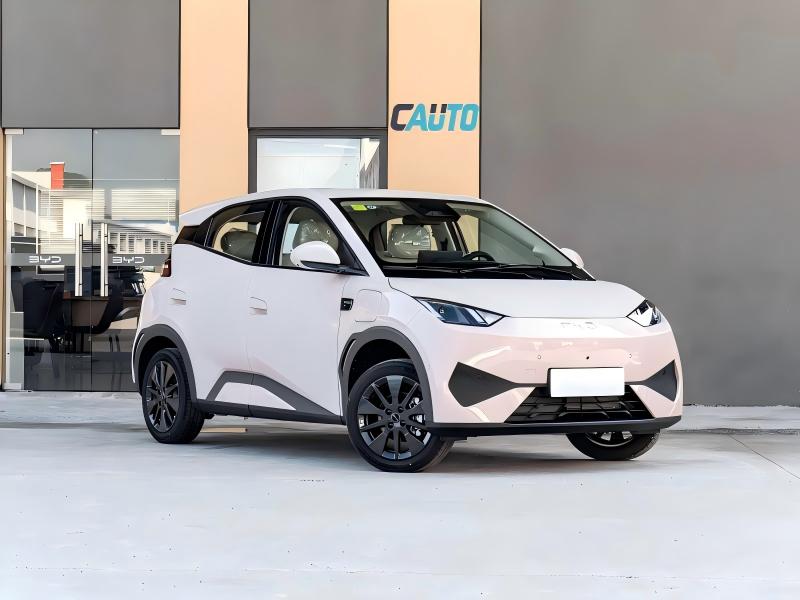
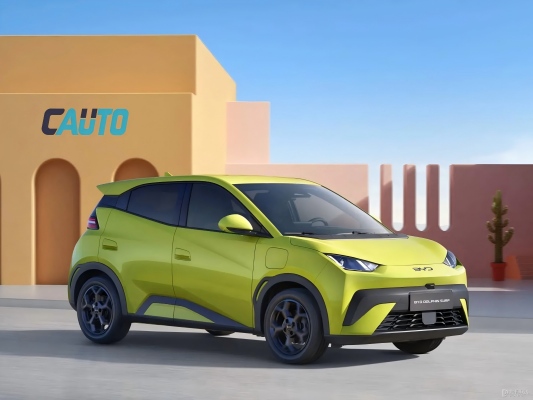
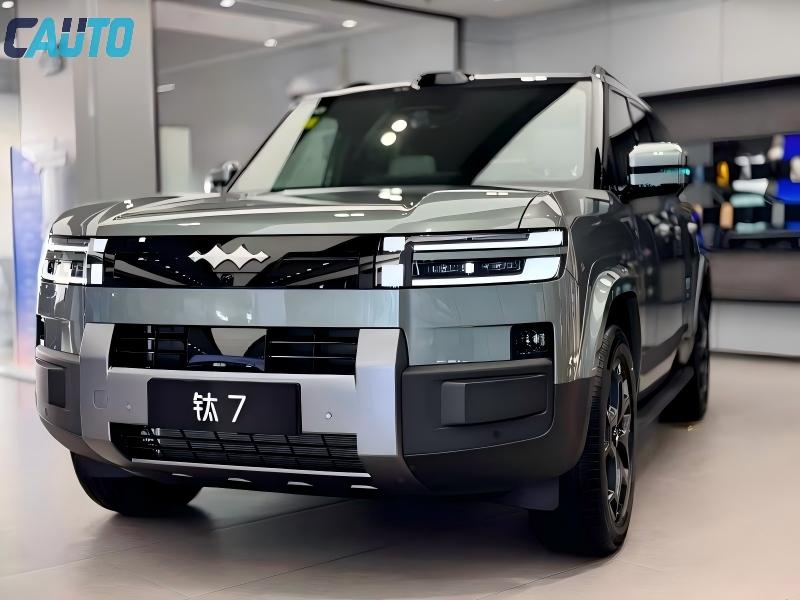
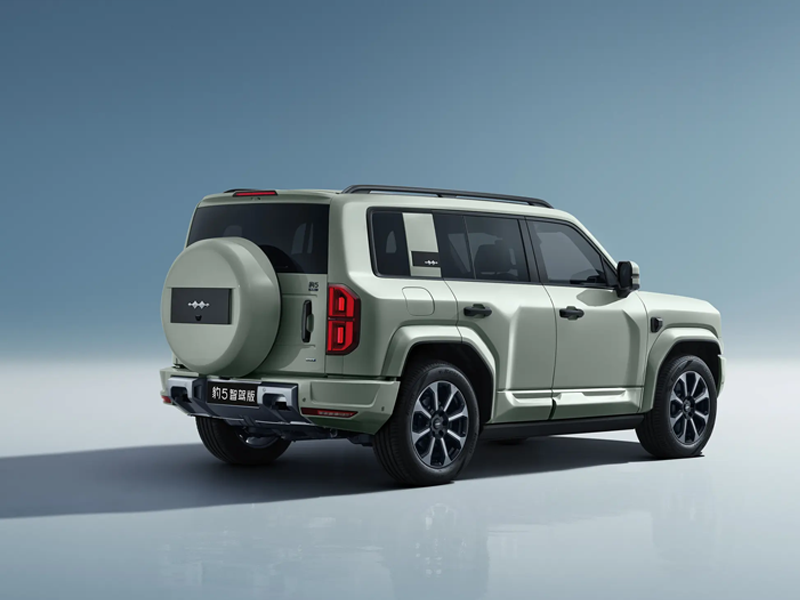
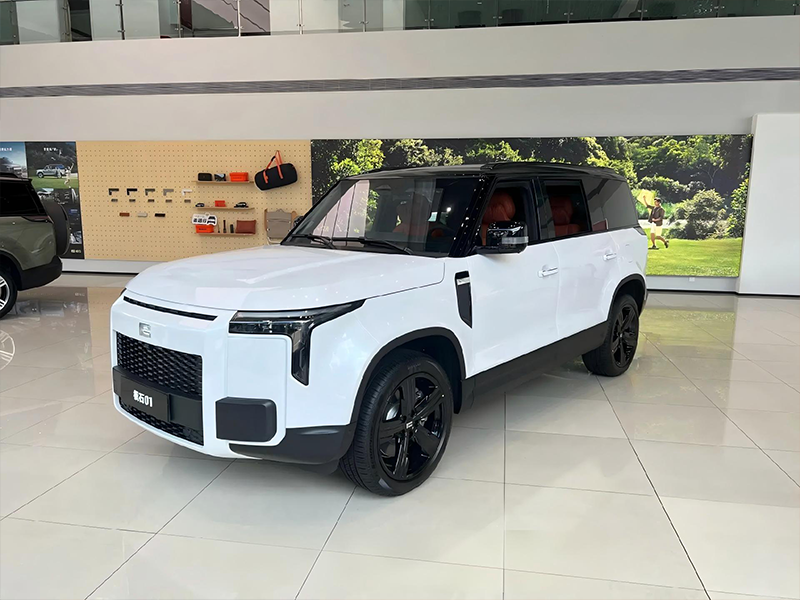
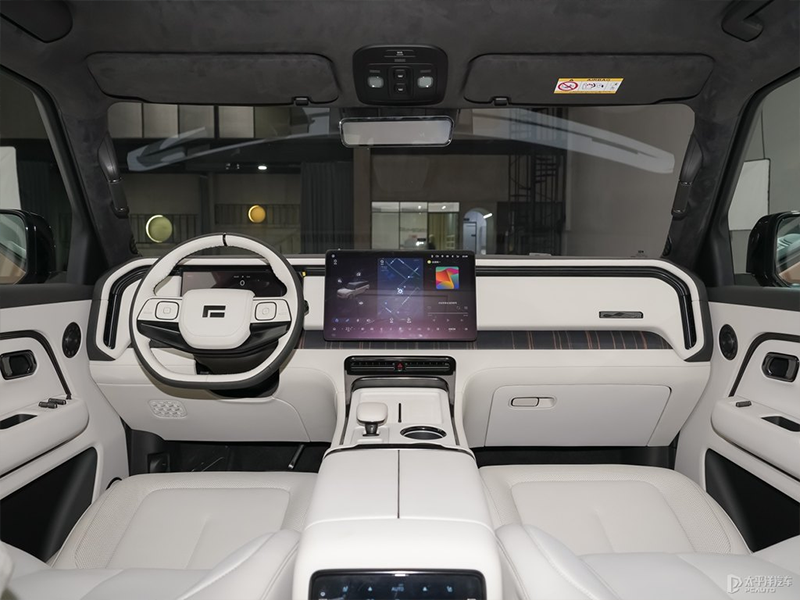
We export a comprehensive range of vehicles including passenger cars, SUVs, commercial vehicles, trucks, buses, electric vehicles (EVs), and hybrid models. We partner with multiple manufacturers to provide both left-hand drive and right-hand drive configurations to meet different market requirements.
Essential documentation includes: commercial invoice, packing list, bill of lading, certificate of origin, vehicle registration documents, export license, and compliance certificates (such as GCC, EU, or DOT certifications depending on destination). We provide full documentation support to ensure smooth customs clearance.
We offer flexible shipping solutions including Roll-on/Roll-off (RoRo) for driveable vehicles and container shipping for high-value or classic cars. Our logistics team coordinates port handling, insurance coverage, and real-time tracking. Delivery timeframes typically range from 15-45 days depending on the destination port.
Yes, all exported vehicles undergo pre-shipment inspection and comply with destination country regulations. We provide vehicles with Euro 5/6, EPA, or other regional emission certifications. Custom modifications for
local compliance can be arranged upon request.
We accept multiple payment methods including Telegraphic Transfer (T/T), Letter of Credit (L/C), and secure escrow services. Standard terms require 30% deposit upon order confirmation and 70% balance before shipment. Flexible financing options may be available for qualified bulk buyers.
Yes, we offer manufacturer-backed warranty coverage that can be extended to international markets. Our support includes spare parts supply, technical documentation, and remote diagnostic assistance. We can also arrange local service partnerships in major export destinations to ensure comprehensive after-sales care.
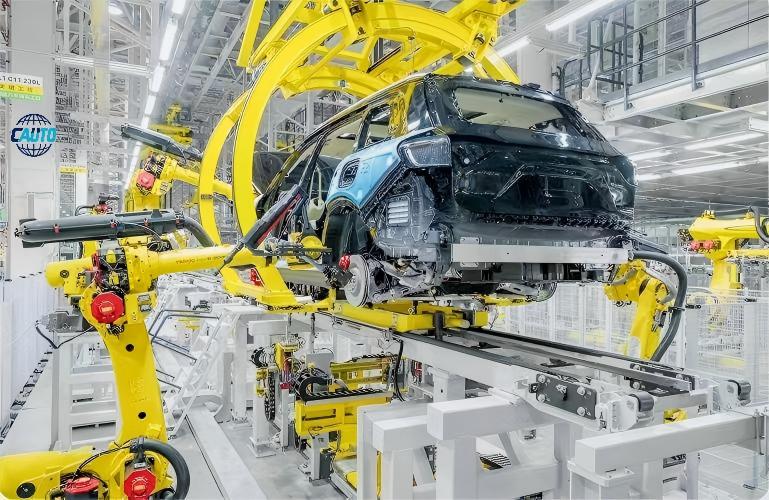
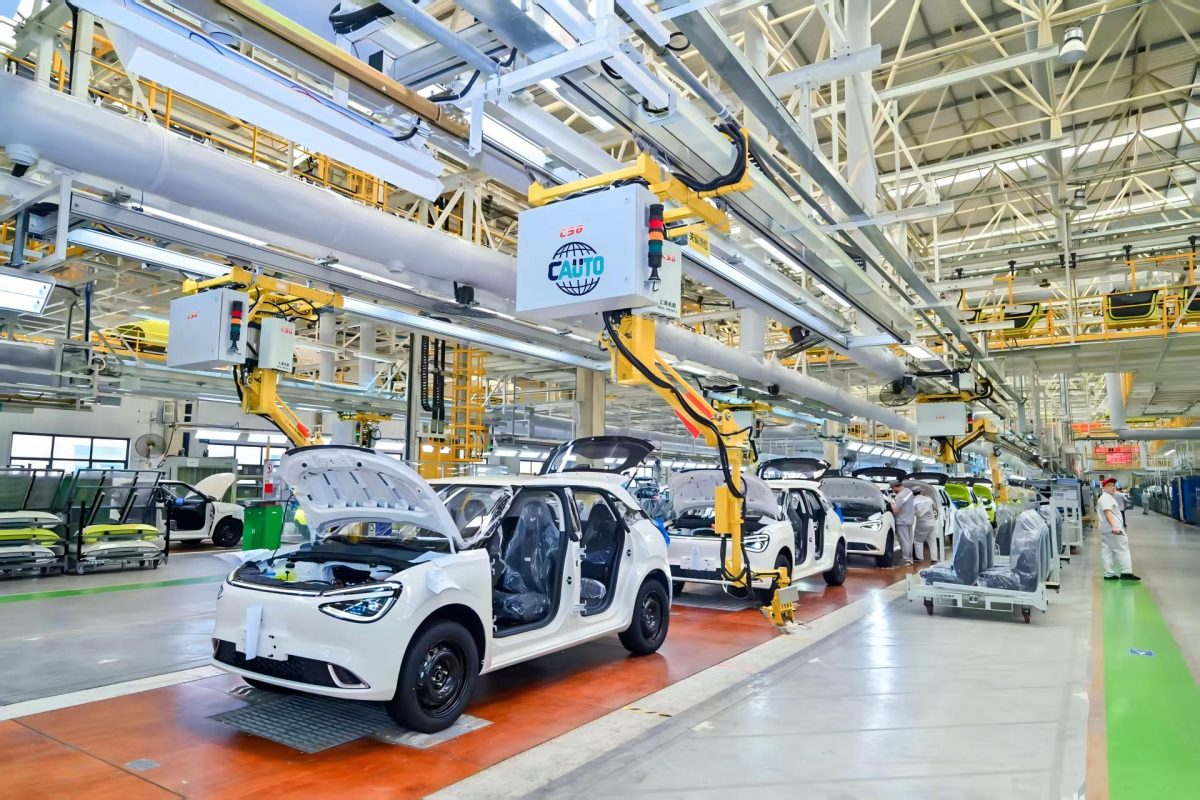
Yes, we offer comprehensive assembly and customization solutions tailored to your market needs:Our engineering team manages the entire development process from specification confirmation to prototype validation and mass production. Minimum order quantities (MOQ) vary by project scope—typically 100-500 units for SKD/CKD programs.