






7 Tips for Choosing a Reliable Chinese Car Supplier [2026 Guide]
Why Import Cars from China?
Short answer: China is the world’s top vehicle exporter with unmatched NEV supply chains, competitive pricing and full global export service support.
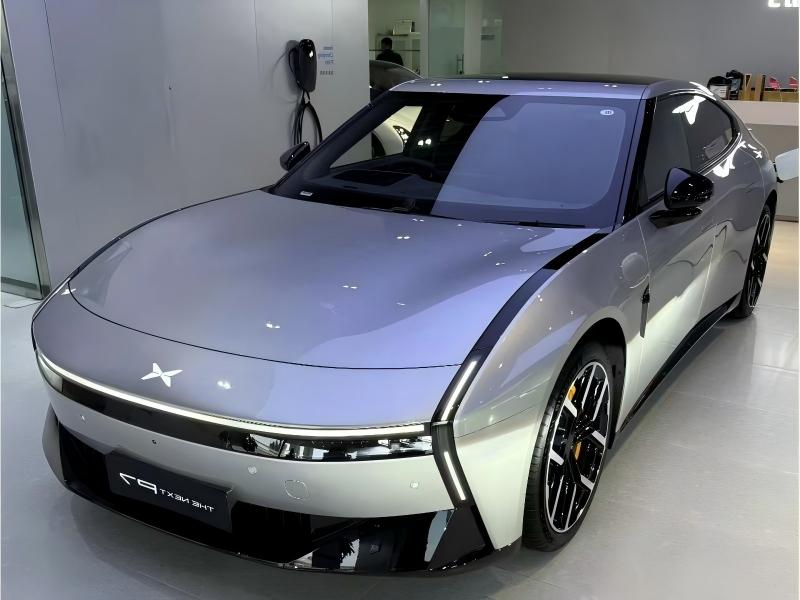
China overtook Japan as the largest auto exporter globally in 2025, with CAAM forecasting total shipments to hit 10 million units in 2026. New energy vehicle exports alone surged 112.6% year-on-year in May 2026, covering sedans, large 6-seat EVs, off-road PHEVs and mini electric cars demanded across Africa, Latin America and the Middle EastChina.org.cn.
For overseas auto dealers, importers and fleet investors, importing cars from China delivers three core benefits: wider model lineups including BYD, Xiaomi SU7, AITO and Zeekr, lower production costs versus Western brands, and mature one-stop export logistics. However, the market is flooded with unlicensed middlemen, which raises critical questions: Is it safe to buy cars from China? How to avoid scam car suppliers? This guide solves those pain points by outlining actionable standards to screen a reliable Chinese car supplier.
As a seasoned Chinese car exporter with cross-continental shipping experience, CAUTO( China Automotive Global Supply Chain Co., Limited) has witnessed countless importers lose funds or face customs detention due to unqualified suppliers. The following 7 criteria are built on real import cases to filter trustworthy partners efficiently.
Tip 1: Verify Business Licenses and Export Certifications
Short answer: A legitimate reliable Chinese car supplier must provide full business registration, auto export permits and market homologation documents upfront.
Fake suppliers often share edited license photos or refuse to issue official export papers. Complete compliance files include:
- Business license with auto export business scope
- CCC vehicle certification, Certificate of Origin (COO) and Certificate of Conformity (COC)
- Regional homologation: GCC for Middle East, SONCAP for Nigeria, Euro 6 for Latin America Leading Chinese car exporter CAUTO uploads scanned original certification packs on client portals before deposit payment, including factory authorization letters from mainstream OEM brands. Never cooperate with suppliers that delay or refuse official document reviews. Core search keyword matched: how to verify Chinese auto supplier
Tip 2: Check Real Customer Reviews and Case Studies
Short answer: Authentic long-term dealer cooperation cases with shipment photos, port delivery records and client testimonials prove supplier credibility.
Red flags here include generic stock photos, only short one-time orders, and zero reference contacts for past buyers. Reliable Chinese car exporters maintain documented case libraries covering bulk container shipments to Buenaventura (Colombia), Mombasa (Kenya) and Dubai.
Ask suppliers to share:
- Recent bill of lading copies with hidden client personal info
- Chcek existing local importers in your target country
- After-sales feedback screenshots from dealers Top-tier suppliers like CAUTO organize monthly client reference calls for new importers to ask real partners about shipping timelines and vehicle quality.
Tip 3: Inspect Vehicle Quality Before Shipping
Short answer: Mandate third-party pre-delivery inspection (PDI) and full vehicle test reports to avoid defective or odometer-tampered units.
Many untrustworthy middlemen ship scratch-damaged display cars or vehicles with hidden mechanical faults without disclosure. A trustworthy Chinese car exporter completes a full 120-point PDI for every unit, covering battery health, interior condition, electronic system and exterior body checks.
For example, CAUTO provides stamped official PDI reports with real-time vehicle photos and short video clips before container loading, allowing buyers to reject non-conforming units before ocean freight begins. This step eliminates the biggest risk when you import cars from China.
Tip 4: Understand Pricing and Hidden Costs
Short answer: Request a fully itemized quotation covering vehicle cost, customs docs, inland transport, marine freight and local port surcharges.
Scam suppliers quote ultra-low base car prices then add hidden fees for certification, loading or document processing after deposits are paid. A transparent Chinese car exporter separates all charges clearly in proforma invoices, with no unexpected add-ons.
Key costs to confirm in writing:
- OEM wholesale vehicle price (FOB Shanghai/Tianjin)
- CCPIT COO & market homologation service fees
- RoRo or container sea freight to your destination port
- ECTN/CTN cargo tracking document fees for African nations
Tip 5: Evaluate Communication and After-Sales Support
Short answer: Reliable suppliers assign dedicated multilingual account managers with 24-hour response windows and cross-border warranty coordination.
Many small middlemen only reply once deposits are received, then ignore inquiries during the 30–45 day shipping transit. Professional exporters maintain consistent communication channels via WhatsApp, email and video call.
Leading exporters like CAUTO offer dedicated English-speaking account managers and centralized after-sales teams that coordinate OEM spare parts supply and global vehicle warranty services for overseas dealers. Slow, inconsistent replies are a major warning sign of untrustworthy vendors.
Tip 6: Confirm Shipping and Logistics Capabilities
Short answer: Reliable Chinese car exporters own stable long-term contracts with RoRo carriers and full inland-to-port logistics teams.
Avoid suppliers that outsource all shipping to unknown freight forwarders without tracking access. Professional exporters provide live container/ship tracking links for every order and handle export customs declaration internally.
Verify logistics strength by asking:
- Average monthly vehicle shipment volume
- Fixed cooperation shipping lines for your target continent
- Full support for destination customs clearance document packages
Tip 7: Start with a Small Trial Order
Short answer: Test supplier service with a small batch of 2–5 vehicles before placing large fleet orders over 10 units.
Even if all documents and reviews look perfect, a small trial shipment validates quality, communication speed and logistics reliability without massive capital risk. Flexible order policies are a hallmark of the best China car export company.
CAUTO supports flexible trial order terms for first-time importers, with transparent refund clauses if vehicles fail pre-shipment inspection, helping new dealers test the supply chain safely before scaling bulk imports.
Red Flags to Avoid When Choosing a Supplier
Short answer: Watch for these 6 common scam signals from untrustworthy auto middlemen:
- Unrealistically low prices 20%+ below mainstream OEM wholesale rates
- Requests for full payment via personal bank accounts instead of corporate accounts
- Refusal to share business licenses, OEM authorization or PDI reports
- Generic stolen factory photos with no unique shipment case records
- Pressure to pay deposits within hours with time-limited fake discounts
- No after-sales plan or spare parts support for exported vehicles These markers apply to all markets importing cars from China, from Chile to Nigeria and the Middle East.
FAQ
Q1: Is it safe to buy cars from China?
Short answer: Yes, if you select a fully licensed reliable Chinese car supplier following the 7 screening tips above.
The majority of China’s large-scale auto exporters operate legally, with official OEM authorization and complete global export documentation. Risks only come from unregistered individual middlemen without export qualifications.
Q2: How do I verify a Chinese car supplier is legitimate?
Short answer: Cross-check business licenses via China’s national enterprise database, request original export permits and contact their existing overseas dealer references.
You can also request video tours of their loading yard and OEM cooperation contracts to confirm they are not third-party brokers without vehicle inventory.
Q3: What documents should a reliable exporter provide?
Short answer: Mandatory core files: Commercial Invoice, Packing List, COO, COC, vehicle PDI report, OEM authorization and Bill of Lading post shipment.
Market-specific homologation papers such as GCC, SONCAP or Euro 6 test reports must also be issued for customs clearance at your destination port.
Q4:How long does shipping take from China?
Short answer: Transit times range from 25–45 days depending on destination: 28–35 days to South America (Buenaventura, Chile), 30–42 days to West Africa, 22–30 days to Middle East ports.
Trusted Chinese car exporters provide accurate sailing schedules and real-time cargo tracking throughout transit.
Q5:Does CAUTO offer warranty and after-sales support?
Short answer: Yes, CAUTO coordinates global OEM factory warranty for all exported vehicles and supplies original spare parts to overseas dealers.
The brand’s multilingual after-sales team resolves electronic system, battery and mechanical issues remotely, plus arranges bulk spare part shipments to regional importers.
Conclusion
Short takeaway: Selecting a reliable Chinese car supplier relies on verifying compliance, quality control, transparent pricing and stable logistics instead of chasing the lowest upfront price.
China’s booming NEV export market delivers huge profit potential for global auto dealers, but vendor screening determines your long-term import success. Every step covered in these 7 tips filters risky middlemen and locks in professional Chinese car exporter partners with stable OEM supply chains.
If you are an auto dealer looking to import cars from China for Africa, Latin America or the Middle East, reach out to experienced export teams like CAUTO to review OEM vehicle catalogs, full export document packages and customized trial order plans tailored to your local market regulations.